








| NPPF revisions - more homes can be built near stations? Posted by grahame at 08:53, 19th August 2026 |     |
From the Guardian
Thousands more homes could be built within 10 minutes of transport hubs, including on green belt sites, under a loosening of planning policy announced by Angela Rayner on Monday.
The housing secretary will set out changes to national planning guidance for England that will include an order for councils to have a “default yes” approach to housing developments that are within a reasonable walking distance of well-connected train and tram stations.
If a proposed development is on green belt land, then the government’s “golden rules” state that they must have higher levels of affordable housing, new or improved green spaces, and be supported by the right infrastructure.
The approach was put out to consultation under Rayner’s predecessor, Steve Reed, but the guidance will be confirmed as part of the new national planning policy framework (NPPF) this week.
[snip]
The new NPPF is aimed at providing clearer national policies for plan-making and decision-making, meaning that conflicting local policies will carry less weight when they are inconsistent with national policies.
Other changes will include:
* Stronger support in principle for development, meaning a more explicit presumption in favour of building in sustainable locations.
* Pubs will get protection from being turned into housing or offices with developers having to prove there is no reasonable prospect of keeping a pub as a going concern, including evidence that it was marketed for sale for at least a year.
* A requirement for at least 40% of homes to be accessible on bigger developments and stronger protections for community facilities.
* Stronger support for growth and infrastructure including support for AI growth zones and datacentres.
The housing secretary will set out changes to national planning guidance for England that will include an order for councils to have a “default yes” approach to housing developments that are within a reasonable walking distance of well-connected train and tram stations.
If a proposed development is on green belt land, then the government’s “golden rules” state that they must have higher levels of affordable housing, new or improved green spaces, and be supported by the right infrastructure.
The approach was put out to consultation under Rayner’s predecessor, Steve Reed, but the guidance will be confirmed as part of the new national planning policy framework (NPPF) this week.
[snip]
The new NPPF is aimed at providing clearer national policies for plan-making and decision-making, meaning that conflicting local policies will carry less weight when they are inconsistent with national policies.
Other changes will include:
* Stronger support in principle for development, meaning a more explicit presumption in favour of building in sustainable locations.
* Pubs will get protection from being turned into housing or offices with developers having to prove there is no reasonable prospect of keeping a pub as a going concern, including evidence that it was marketed for sale for at least a year.
* A requirement for at least 40% of homes to be accessible on bigger developments and stronger protections for community facilities.
* Stronger support for growth and infrastructure including support for AI growth zones and datacentres.
Lisa and I were at a meeting last night ... and from a speaker there, we understand that there is now a requirement on developers and others putting plans forward to liaise and agree (where possible?) with neighbouring plans in order to avoid or at least reduce conflicts and barriers between neighbouring developments. I also understand from other sources that powers are removed / reduced for local councillors wanting to "call in" contentious plans in their areas to planning commitees.
For major projects and for regional planning, the changes to the NPPF (this is not the first) and other planning laws and regulations are a significant nuisance and added cost. Witness the Wiltshire Local Plan which looked good ... but by the time it came to the inspectors was so out of date as to not be acceptable; a decade of work "thrown away", a gap left in local guidance, and a reduction (but not an extinguishing) of the Neighbourhood Plan.
There seems to be contradiction in the government lines here ... on one hand, it's all about devolving things to the regions, but on the other hand the regions are having their authority to decide their own direction overruled by central government.
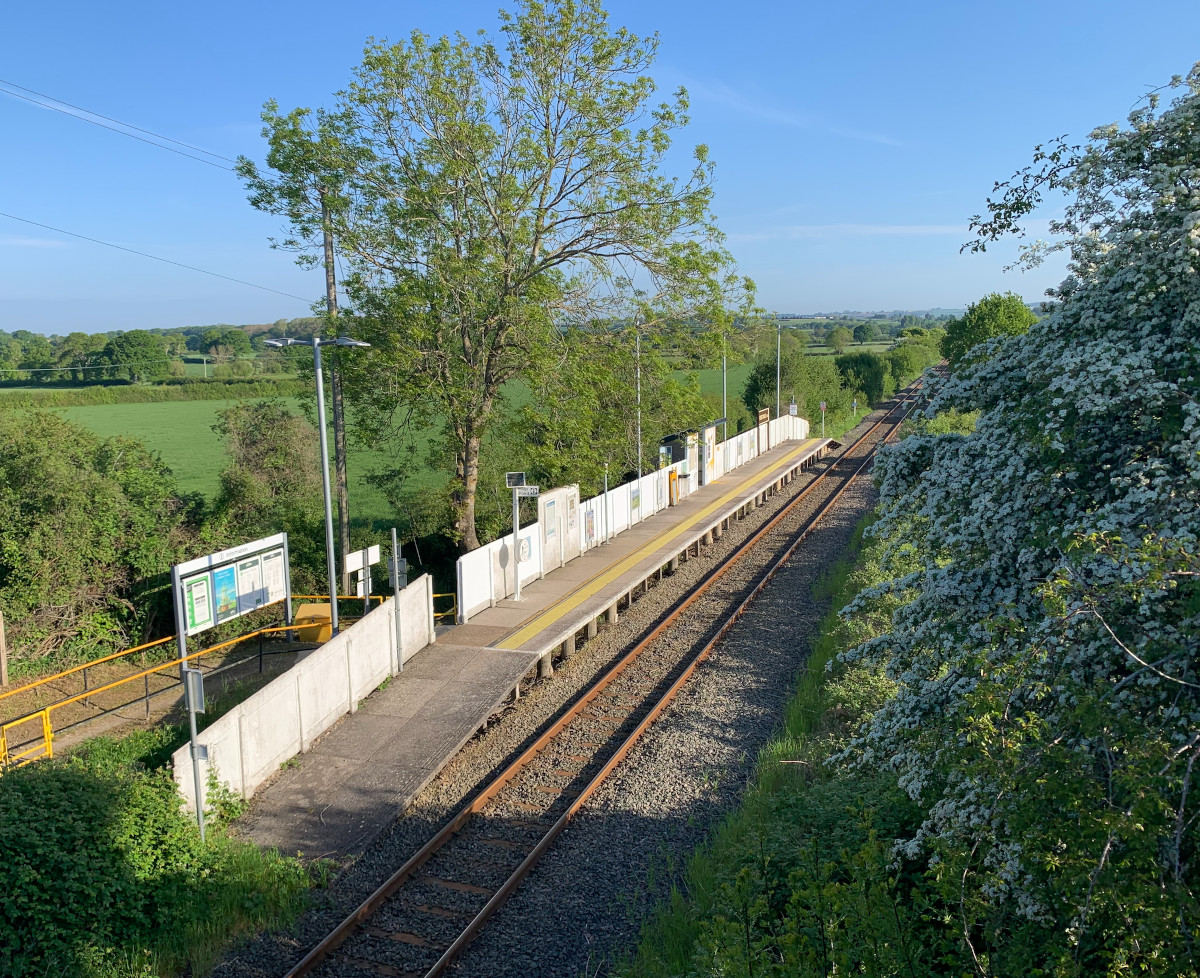
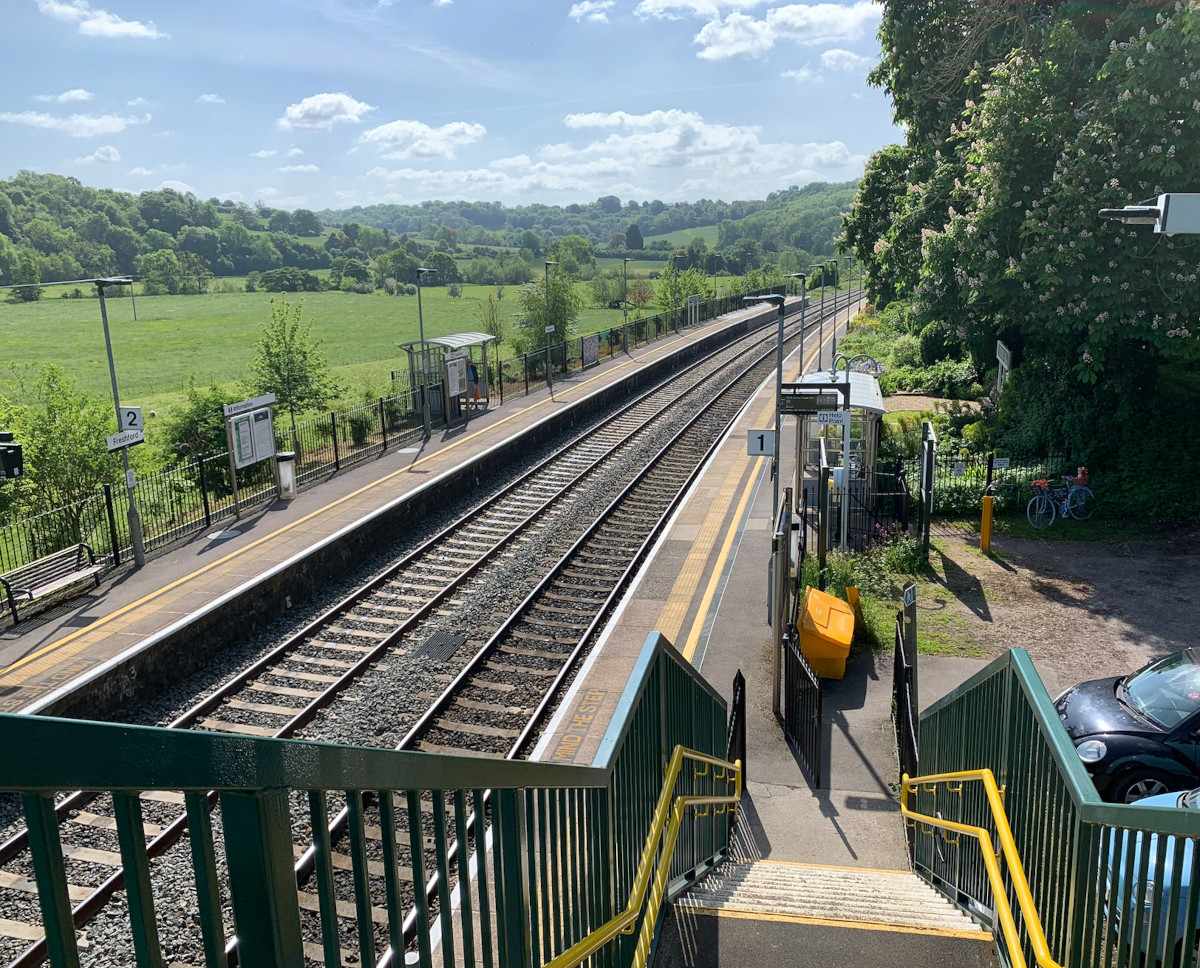
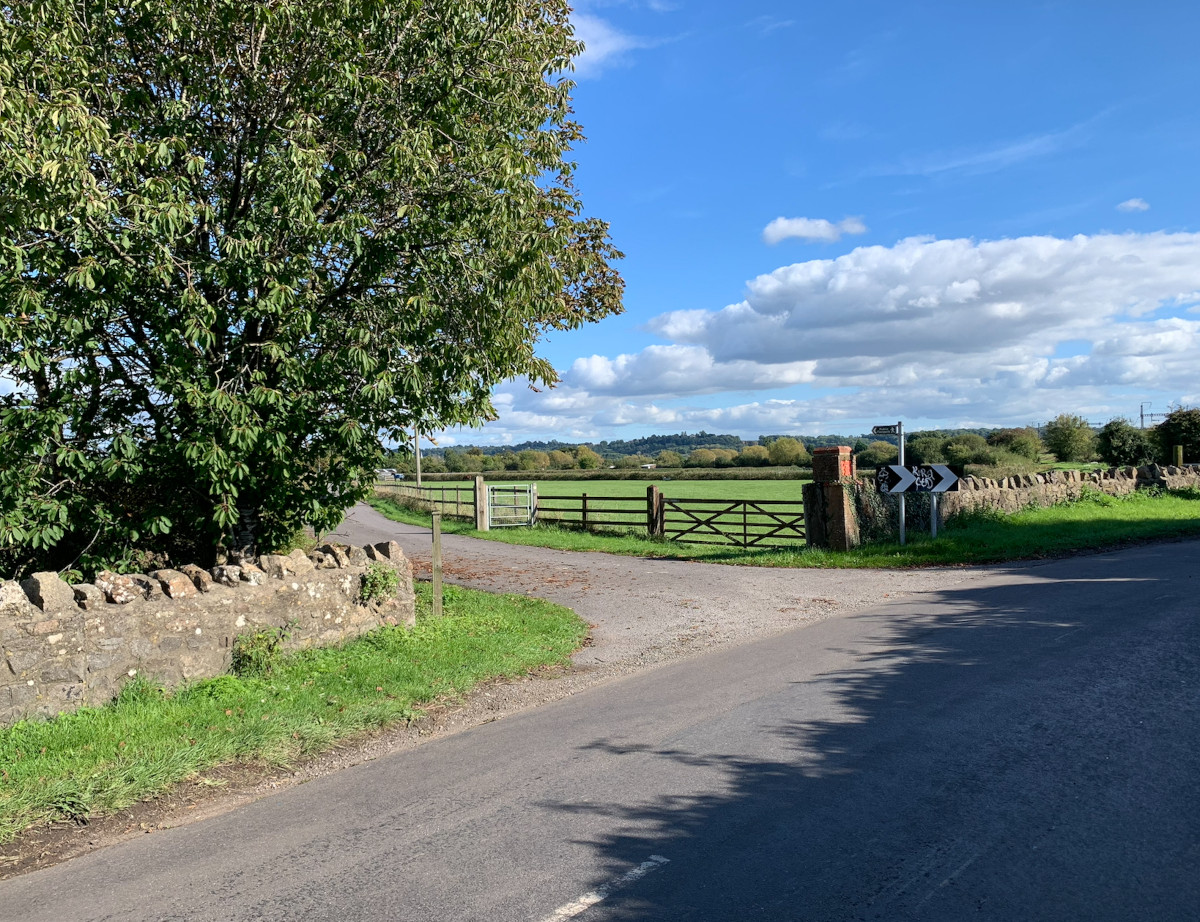
A West Country scene to be changed by central government?
And some others ...