









| Railway Accident Photography Posted by grahame at 06:42, 12th August 2026 |     |
Head on Collision, Rhode Island. First railway accident photographed, 12th August 1853.
From Wikipedia
On August 12, 1853, two Providence and Worcester Railroad passenger trains collided head-on in Valley Falls, Rhode Island. The collision took place between a southbound excursion train and a regularly scheduled northbound train. The accident resulted in 14 fatalities and a further 17 serious injuries; an unknown number of passengers suffered less severe injuries
[snip]
A man identified as L. Wright from Pawtucket happened upon the accident and captured a daguerreotype minutes after it occurred. Wright is believed to have taken the first ever photograph of a train wreck. His daguerreotype was the basis of a woodcut illustration published in The Illustrated News of New York, a short-lived newspaper owned by P. T. Barnum, on August 27, 1853.
[snip]
A man identified as L. Wright from Pawtucket happened upon the accident and captured a daguerreotype minutes after it occurred. Wright is believed to have taken the first ever photograph of a train wreck. His daguerreotype was the basis of a woodcut illustration published in The Illustrated News of New York, a short-lived newspaper owned by P. T. Barnum, on August 27, 1853.
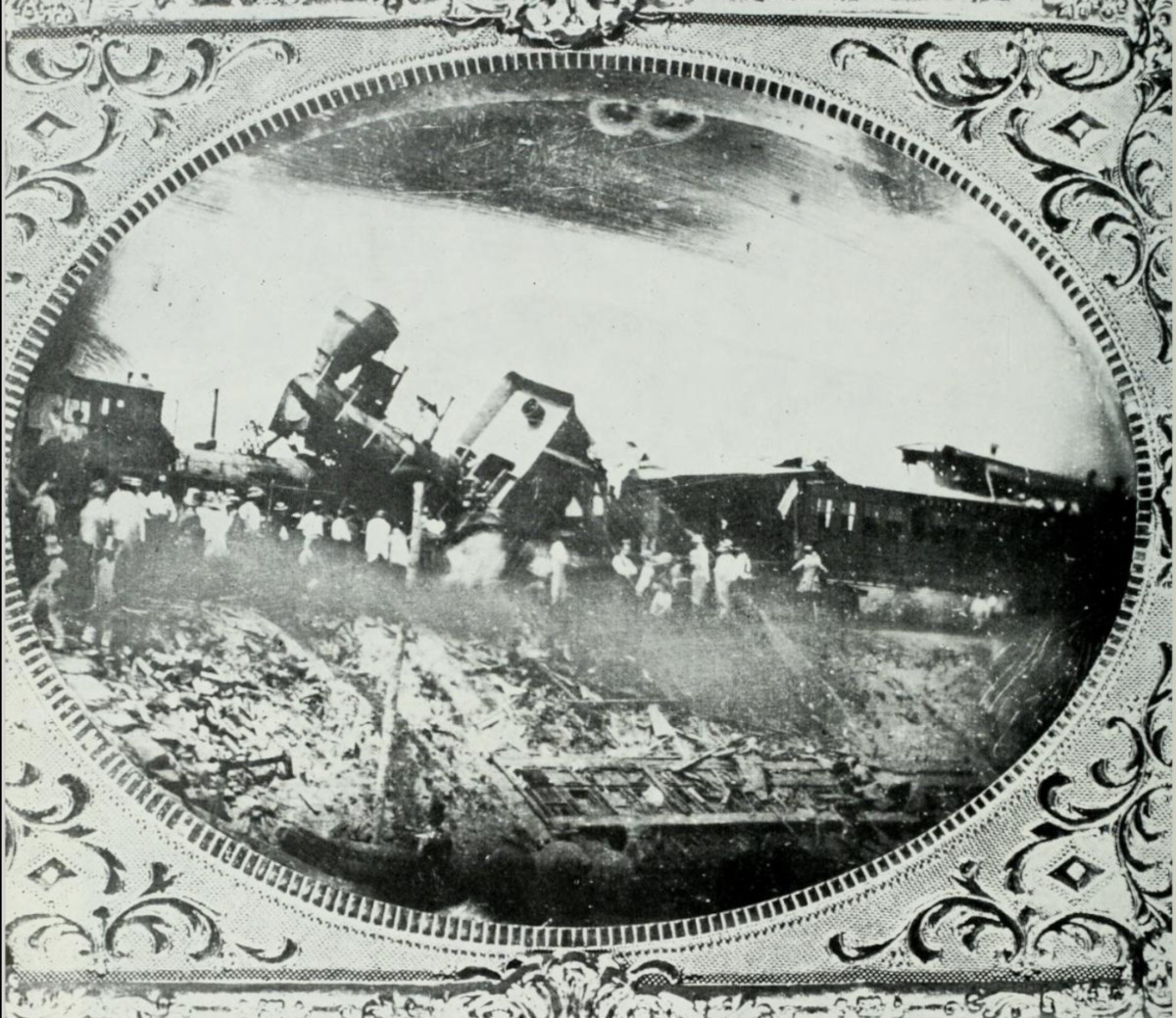
Source / further reading from Train wrecks; a pictorial history of accidents on the main line by reed, robert c. (robert carroll), b 1937, published 1982 online at https://archive.org/details/trainwreckspicto00reed/page/2/mode/2up
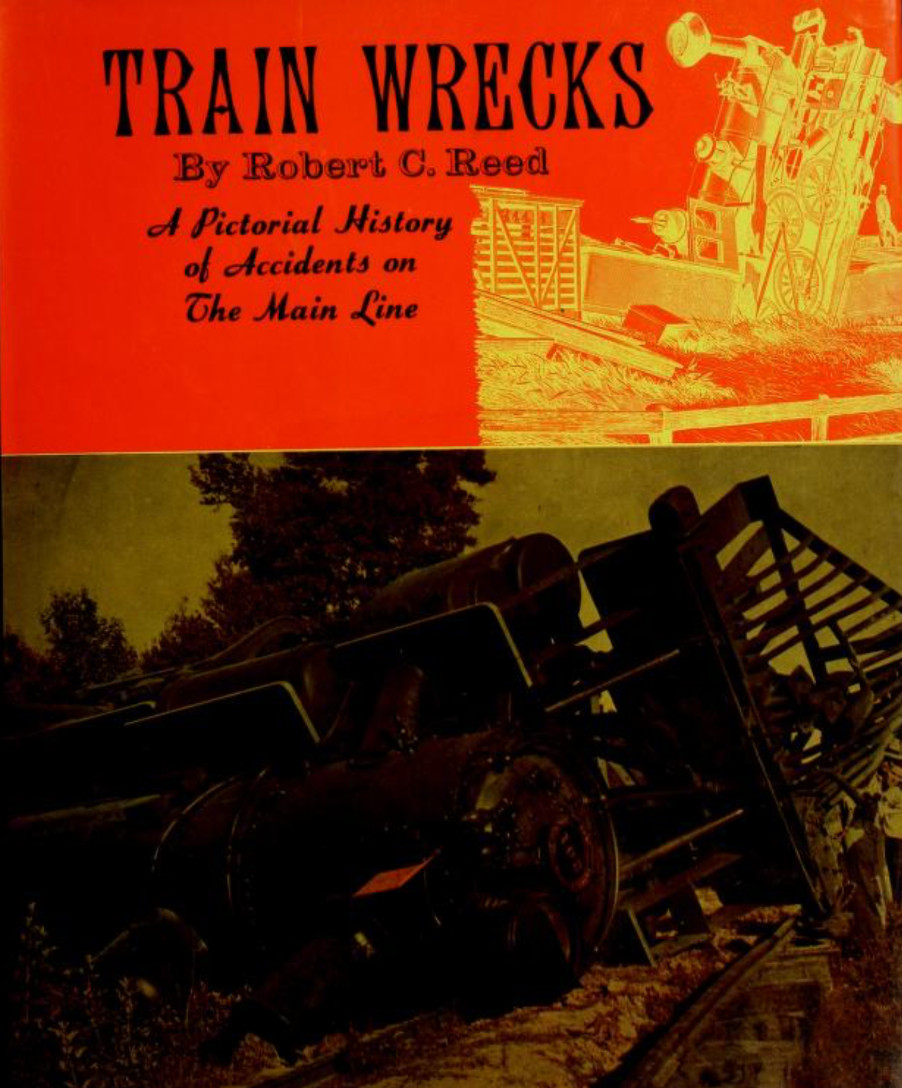
There is a significant readership market - is it a morbid fascination? - for pictures of railway accidents as witnessed by a whole series of books on the topic.

One of the well-thumbed volumes on my own shelves is "Red for Danger" by LTC Rolt - however, pictures form only a small part of that book and "the whole" makes a fascinating study showing the history from the early railways, where powered railed vehicles created new dangers that magnified as they got heavier and faster, through the introduction of safety measures, most sadly learned as a result of accidents, through to today where the railways in the UK have an excellent, though still not perfect, running record.
